From Physical Product to Digital Product Design
Summary
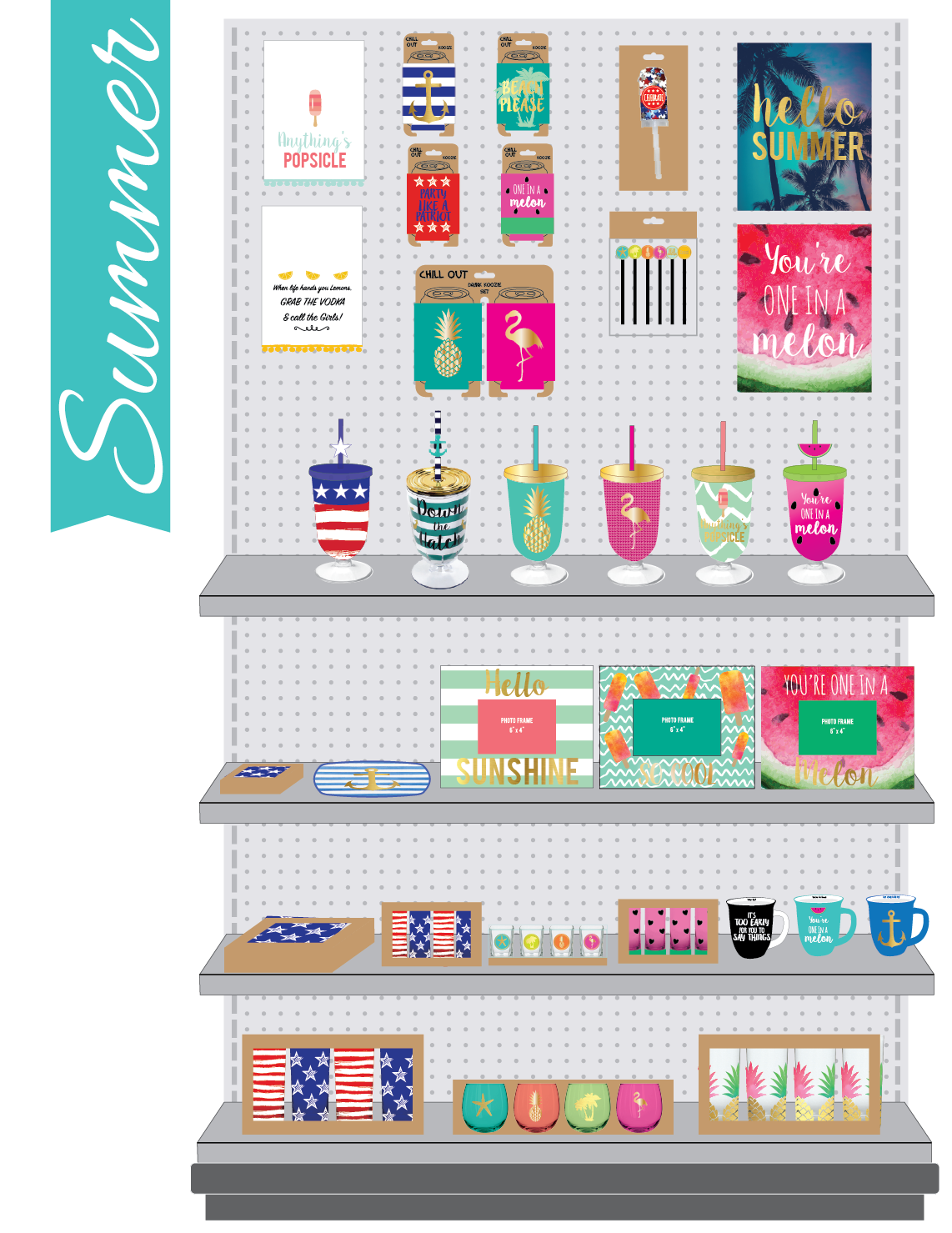
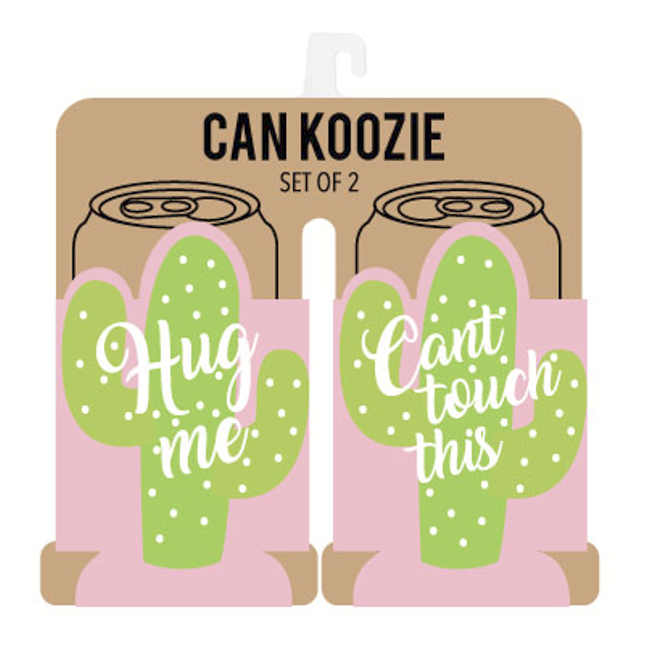
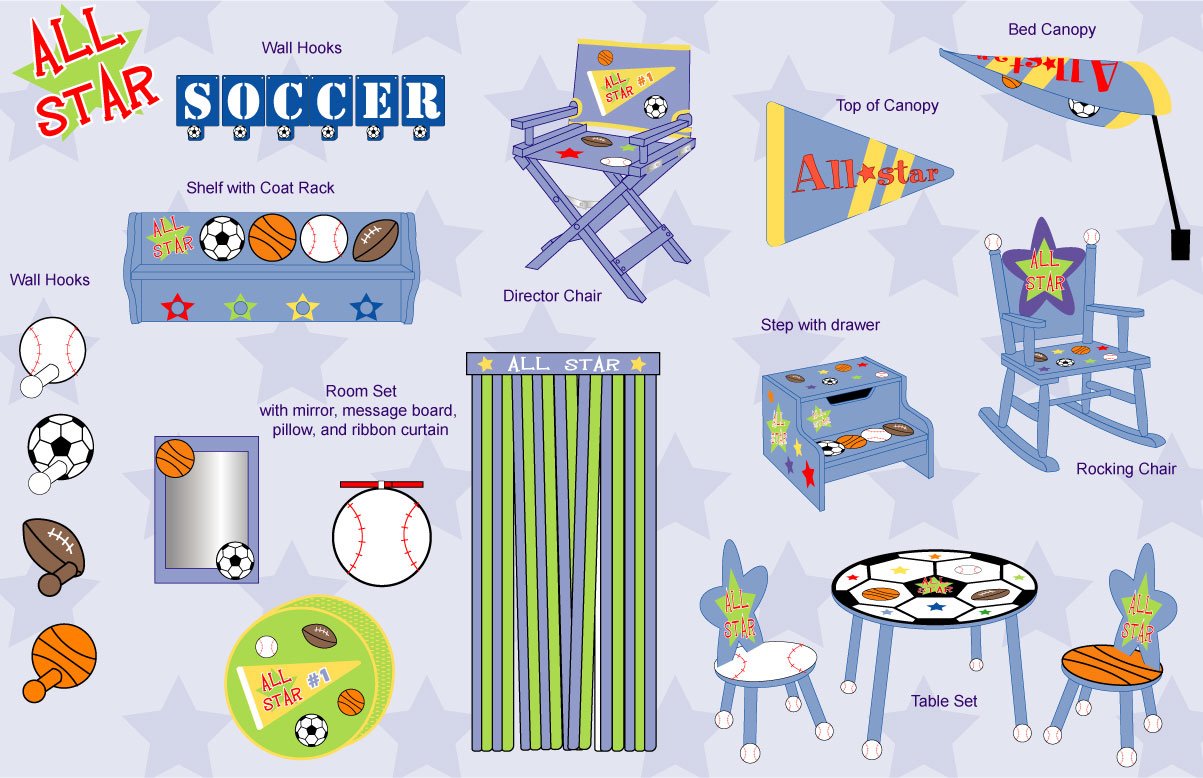
Before transitioning into digital product design in 2018, I spent several years designing products and packaging for retail stores worldwide. I partnered directly with buyers, worked with manufacturers, and created product collections that were sold in stores like Urban Outfitters, Macy’s, and Bed Bath & Beyond. While the medium has shifted from physical goods to digital experiences, the foundations of my process remain the same: understanding customer needs, analyzing data, and designing with both creativity and practicality in mind.



Research & Customer Insights
Physical Products: I partnered with retail buyers to understand their sales metrics, identifying which product categories were performing and why. This data shaped our product collections and guided packaging decisions. Competitive research involved visiting stores to analyze placement, pricing, and emerging trends.
Digital Products: In digital design, this translates to using analytics, surveys, and usability testing to understand how users interact with a product. Just as sales metrics informed physical design choices, product usage data now informs design system decisions, ensuring patterns and components align with real user needs.
Innovation Through Research
Physical Products: Beyond aesthetics, I drove innovation by exploring new materials and manufacturing techniques. This required balancing creativity with feasibility, making sure designs were fresh and trendy while also producible and cost-effective.
Digital Products: Similarly, digital product innovation means staying ahead of trends in accessibility, responsive design, and system scalability. Just like experimenting with new materials, I explore new frameworks, tools, and design patterns, always balancing innovation with technical constraints and usability standards.
Collaboration & Execution
Physical Products: I worked closely with factories to ensure goods met all required safety and quality tests. Collaboration across disciplines was key. Design, production, and compliance teams needed to be aligned for a product to succeed.
Digital Products: Today, I collaborate with engineers, accessibility experts, and content designers to ensure our digital experiences meet standards of usability, accessibility, and performance. Governance processes and design reviews echo the same need for cross-functional alignment.
Trends & Market Awareness
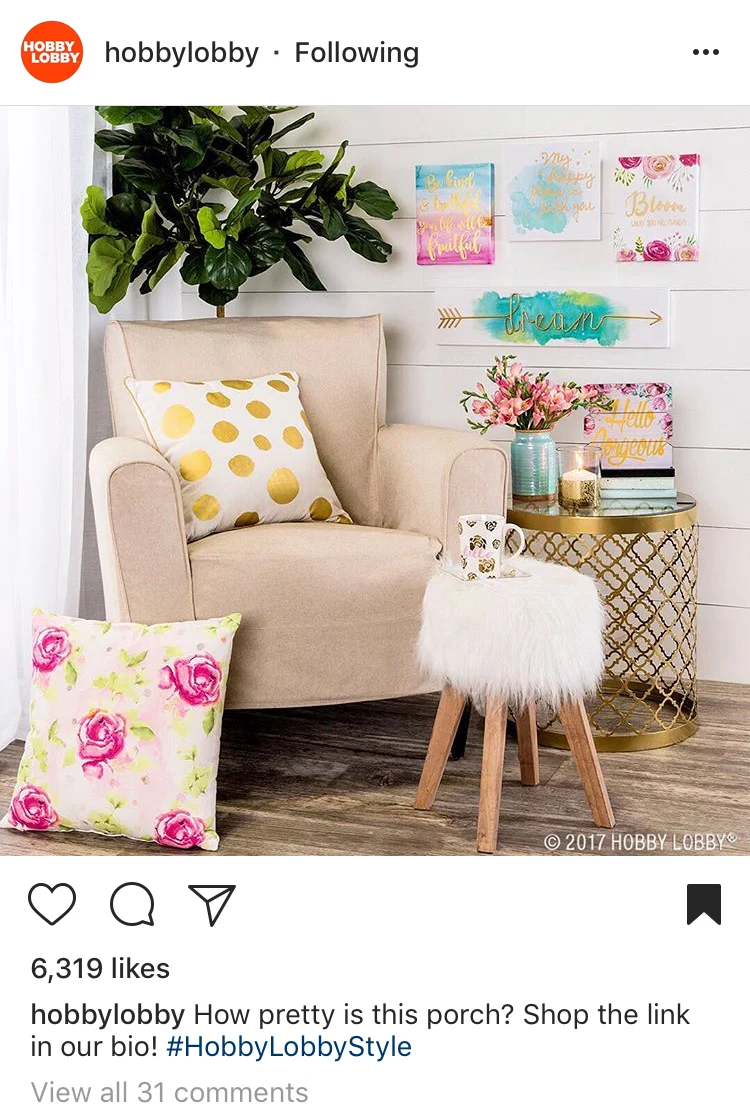
Physical Products: Staying relevant meant constantly monitoring style and market trends, ensuring our products were always fresh, desirable, and competitive.
Digital Products: The same applies in digital design. I stay engaged with evolving best practices in design systems, UI/UX patterns, and accessibility standards—ensuring the system we build remains modern and adaptable.
While the outputs have changed from retail shelves to digital interfaces, the core principles of my design practice are constant:
Understand the customer through data and research
Balance creativity with feasibility
Collaborate across disciplines to deliver quality products
Stay ahead of trends to keep designs relevant and impactful
My background in physical product and packaging design deeply informs my work as a digital product designer today. Whether shaping tangible goods or digital experiences, I design with the same mindset: data-driven creativity, collaboration, and a relentless focus on the end user.